
About Us
Contrary to popular belief, Lorem Ipsum is not simply random text. It has roots in a piece of classical Latin literature from 45 BC, making it over 2000 years old.
Get a free quote
Anatomy
The Anatomy of a Diamond
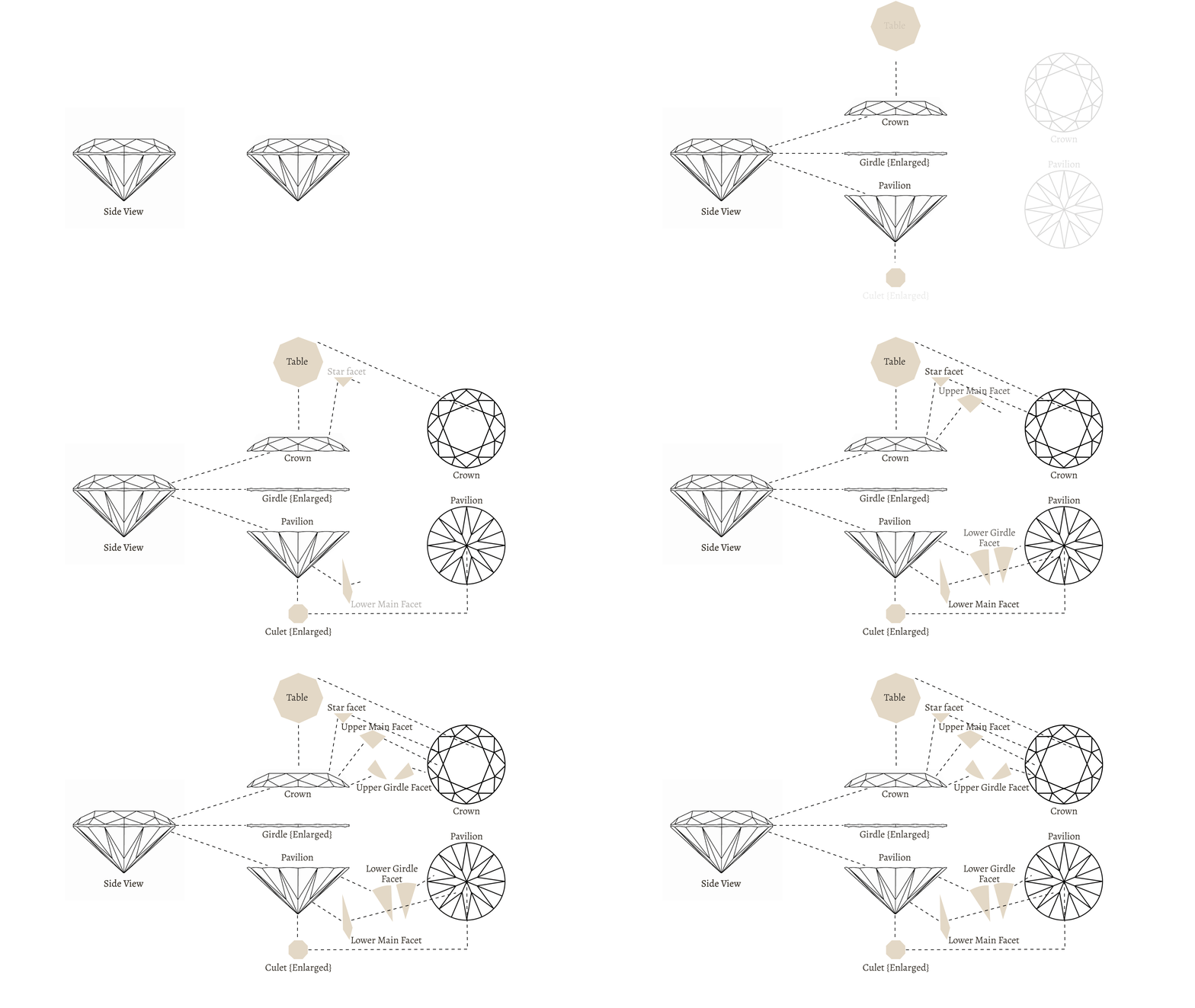
While every diamond is unique, all diamonds share certain structural features. A diamond’s anatomy, or its basic structure, determines its proportions, brilliance, dispersion and scintillation. Each part of the diamond has a specific name, and having a basic understanding of how each part contributes to the diamond as a whole will help you find your perfect diamond. A diamond is comprised of the eight main components. They are Table, Crown, Girdle, Pavilion, and Culet. Below is a brief description of each part of a diamond and its location.
Table
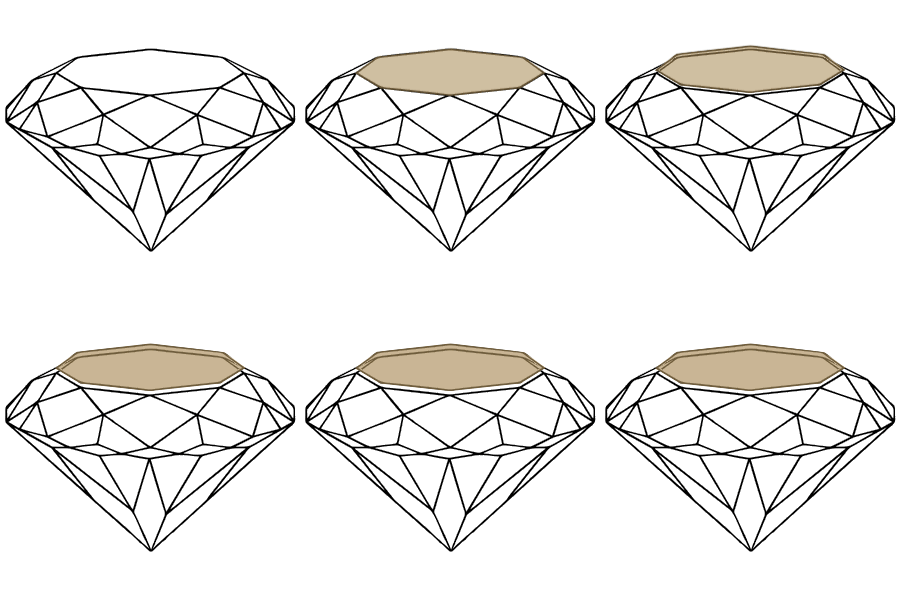
The largest facet of a diamond is always a flat surface, resembling a tabletop in appearance. It is commonly referred to as the "table" and plays a crucial role in reflecting light, significantly enhancing the diamond's brilliance and sparkle.
Crown
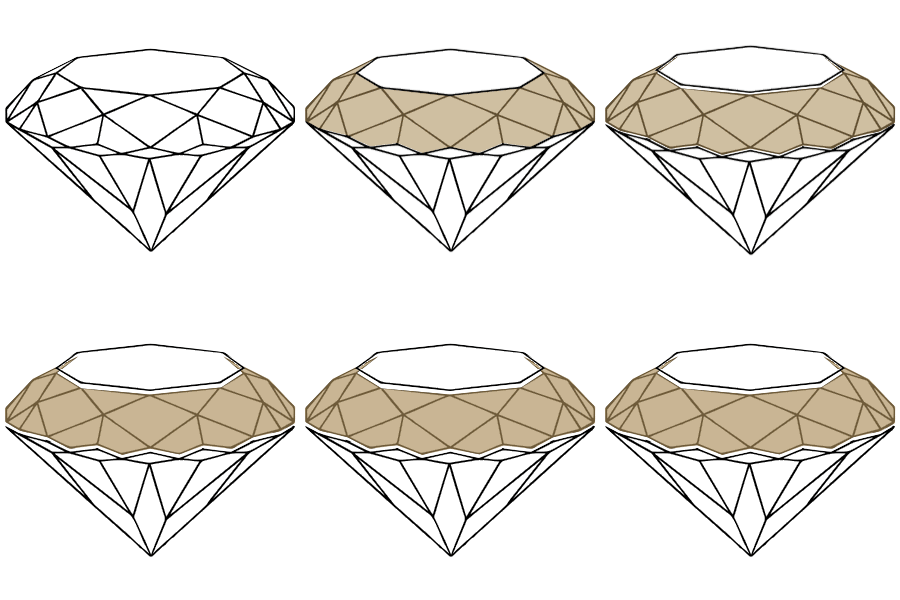
Extends from the table Ends at the top of the girdle Step or brilliant cut facets
Girdle
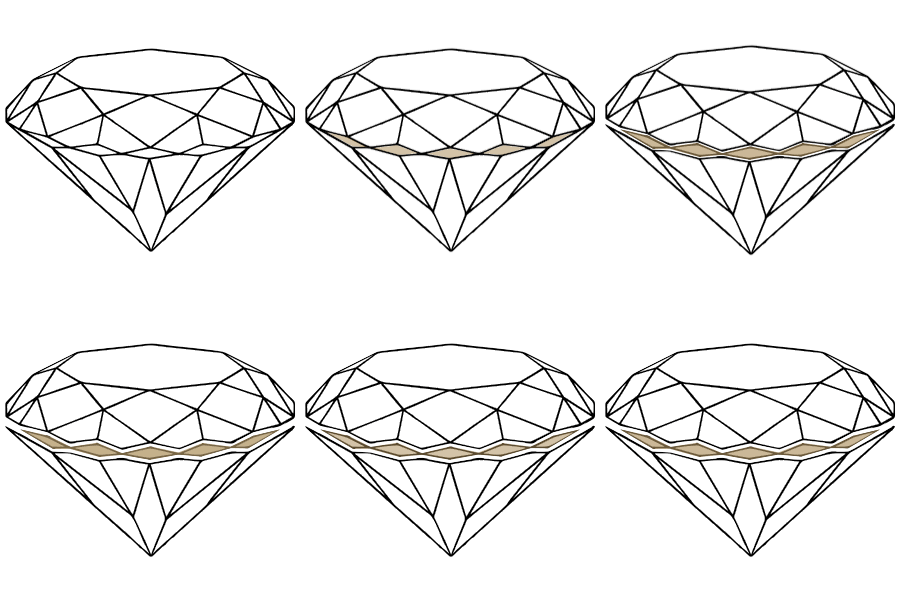
Outer edge of diamond Widest point on a diamond Where crown & pavilion meet Either rough, polished or faceted
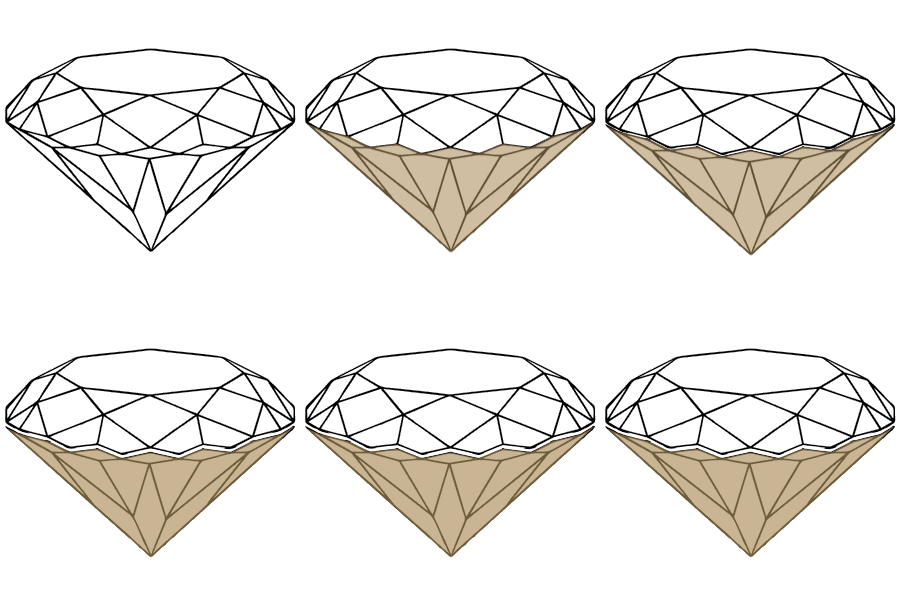
Pavilion
Located at the bottom Bridges the girdle & culet Determines light reflection Quality cuts allow for max light
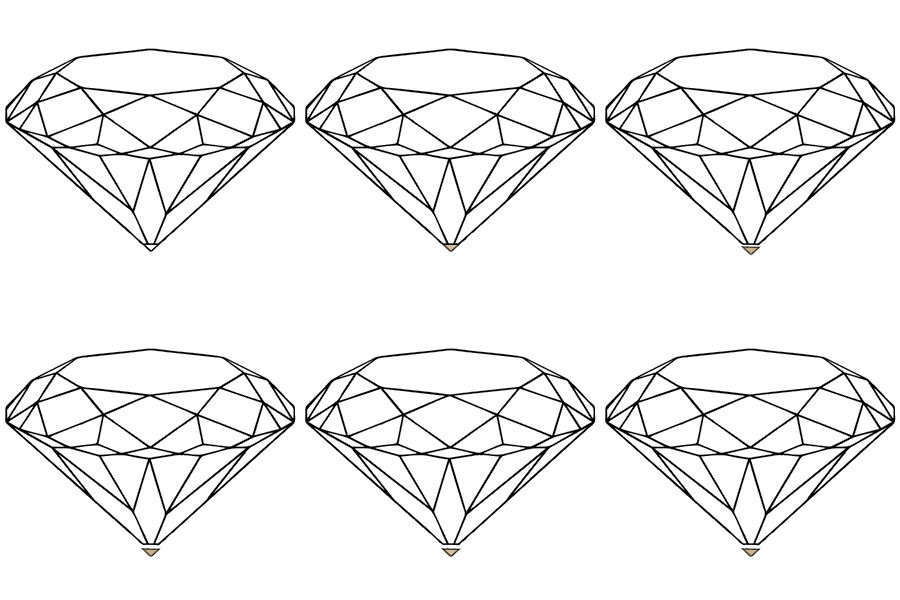
Culet
Smallest facet of a diamond Located at the very bottom tip Used to protect the pavilion Modern methods renders it unnecessary, but it's still in use